

Integrated Microwave Oven
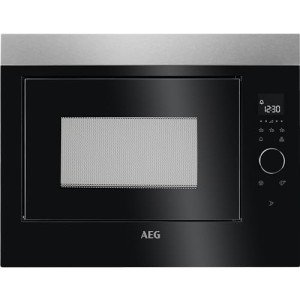
Microwaves are convenient for meal preparation and can be seamlessly integrated into the design of a kitchen to give a seamless appearance. Some suggestions for integrating microwaves include incorporating it into cabinets, putting it in the island, or recessed into the wall.
Built-in microwaves have elegant design and easy access, but you'll need to be sure to measure your space accurately to ensure the model will fit properly.
Systems embedded in the system
Embedded Systems are software and hardware components that are designed to perform a particular task. They are found in a variety of devices, ranging from mobile phones to medical devices. In integrated microwave ovens, embedded systems regulate cooking modes and power levels and also sensors-based features that heat food efficiently and evenly. Embedded systems usually rely on microcontroller chips, which are designed to handle specific tasks. They are also designed to meet specific restrictions and constraints, like memory processor power, processor size, and space.
Depending on the size and functionality of embedded systems they can be connected or stand-alone. They can also provide various outputs, such as alarms or timers. Some require real-time which means they have to provide the required output in a specific time. They are also commonly found in industrial machines and transport vehicles.
The embedded system of a microwave oven is responsible for regulating the magnetron's power level and controlling the temperature inside the oven. It can also perform complex tasks like calculating the optimal cooking time for different foods, and detecting overheating and under-cooking.
Modern embedded systems are also designed with energy efficiency in the back of their minds. They can run at lower power levels, thus reducing the use of electricity and saving on energy bills. Additionally, embedded systems can detect when they are heating up and shut down automatically.
Embedded systems play an important role in many of the devices we use on a daily basis from digital watches to smartphones, MP3 players and washing machines. They are also used in railway and aircraft signaling systems. The embedded systems can also be found in medical equipment, like insulin pumps and blood pressure monitors. white built in microwave embedded systems are designed to perform a particular task like monitoring vehicle emissions or controlling anti-lock breaks. Even the personal computers that we use for general purposes are made up by many embedded systems. The mouse, keyboard, and video card, for instance are embedded systems that allow the computer to function according to its intended purpose. The processor and motherboard too, are embedded systems that can be programmed. The development of embedded system is a complicated task that requires both hardware and software. It's also a challenging process due to the need to meet the strictest performance standards. Fortunately, the tools available for embedded systems design have seen a significant improvement in recent years.
Safety features
Microwave ovens heat and cook food using electromagnetic radiation from the microwave region of radio spectrum. The radiation causes the polar molecules present in food to vibrate and produce thermal energy. This process is referred to as dielectric heating. Microwave ovens are able to defrost food without preheating unlike conventional ovens. However, it is important to follow the microwave's instruction manual for proper usage.
Find a microwave equipped with a child safety feature to stop children from not recognizing or opening the oven while it is operating. This reduces the chance of burns or injuries. Some models have interlocking switches that stop the production of microwave radiation until the door is closed. Some models also have cool-touch doors and control panels to reduce the chance of burns.
Certain consumers are concerned about the risk of exposure to radiation from microwaves, but the FDA states that microwaves do not pose a health risk if the user is not directly in the oven's vicinity when it is in operation. However, the agency has received reports of microwaves that continue to emit radiation even though the door is open. In this situation, consumers should stop using microwaves immediately.
Certain models have a padlock function that locks the buttons on the control panel to prevent accidental operation. This feature is particularly useful in households with small children. This feature is fantastic to prevent children from accidentally activating microwaves and causing fires or other problems.
A good integrated microwave oven will have a large clock that is easy to read and an oven handle that is strong. It should be easy to clean and have a smooth, glossy finish. It should include a clear start/stop button and power button, and an indicator light that shows when it is running or is finished. It should also include the power cable that has an appropriate plug connected.
Microwave ovens are the cause of just 4 percent of household fires. They aren't usually the cause of house fires however they can cause serious injuries and damage. The most frequent causes of microwave fires are clogged vents, overheating or inadvertent use.
Methods of cooking
A microwave oven can be equipped with a variety of cooking options to meet the specific needs of your kitchen. These be anything from simple microwave cooking to convection baking and grilling. These options are more versatile than traditional cooking options and are great to reheat or defrost. These cooking modes can also enhance the quality of food.
Depending on the model that you choose, the microwave may be fitted with a glass turntable, a shorter metal rack or high metal rack. These devices can be used to cook a broad variety of food items like cakes and brownies. The majority of these gadgets will also have a non-stick interior that resists stains and splatters, making them easy to clean. Some models also come with a lid that is removable, which helps to stop spills from happening.
Another alternative is a combination microwave and oven. These units offer the functionality of both a microwave as well as an oven in one device, which is ideal for kitchens with a limited space. They also let you grill foods and brown them with the oven's powerful airflow, resulting in delicious meals. They can also be used to bake and roast.
These models are usually designed to fit inside the cabinetry, with flush installation options available to give seamless appearance. When installed at a comfortable height, they can be used combination with wall-mounted ovens to make it easier to move dishes. There are models that have built-in trim kits that will ensure that they blend seamlessly into your design.
Microwaves are available in a variety of sizes and shapes and shapes, so it's crucial to choose the right one for your kitchen. The key is to decide whether you'll use it for cooking basic meals or for more elaborate meals. If you intend to use it for baking it, you'll need the larger model.
If you are planning to do lots of baking and roasting, consider getting a combi microwave with convection. These appliances combine the speed of a microwave and the power and accuracy of an oven, which will save you considerable time.
Energy efficiency
The use of microwave technology in ovens is an efficient method of cooking food, while reducing the energy consumed. This technology also allows for an improvement in the cost of electricity. Many models come with an eco mode that helps consumers save energy. Some models also include a timer that shuts off the microwave when cooking is completed.
Microwave ovens work by using electromagnetic waves to heat water molecules that make up food. The process is carried out in a circular cavity within the oven, called magnetron. The magnetron is powered by a high-speed electric current which produces electromagnetic waves with low frequency. The waves that resulted from them penetrate food, causing them to vibrate and absorb energy from the molecules around them. The vibrations cause water molecules to expand and then evaporate, heating the food.
The efficiency of microwave ovens in energy use has become an important issue. New models come with eco modes that help users save electricity and reduce their expenses. Energy-saving features include sensors, a display that shows cooking times, and an option to choose the power level. Certain models come with presets for different foods. Some microwaves even weigh food items to determine the proper power level and cooking time needed.
Some of the new features are designed to make these ovens easier to use. However, they do have some drawbacks. For instance certain models use a lot of electricity when they are in standby mode. They can also emit harmful gases. These issues are being addressed by a variety of manufacturers that use more efficient circuits and have come up with new forms of insulation within the cavity.
The most modern microwaves are equipped with sensors to improve their efficiency in energy use. These sensors detect the amount of moisture in the oven, and adjust the power output in line with these levels to avoid over or undercooking. They also ensure that food is cooked evenly. These clever features are becoming more popular and help consumers save money and improve the kitchen.
AHAM and Whirlpool commented that the max-tech efficiency level should not exclude some features, like humidity sensors and connectivity functions, since they provide a consumer benefit that is different from other features. In response to these comments, DOE has examined the product teardowns and bill of materials data provided by AHAM and found that there is no relationship between the presence of specific features and the standby power consumption of a microwave oven.